
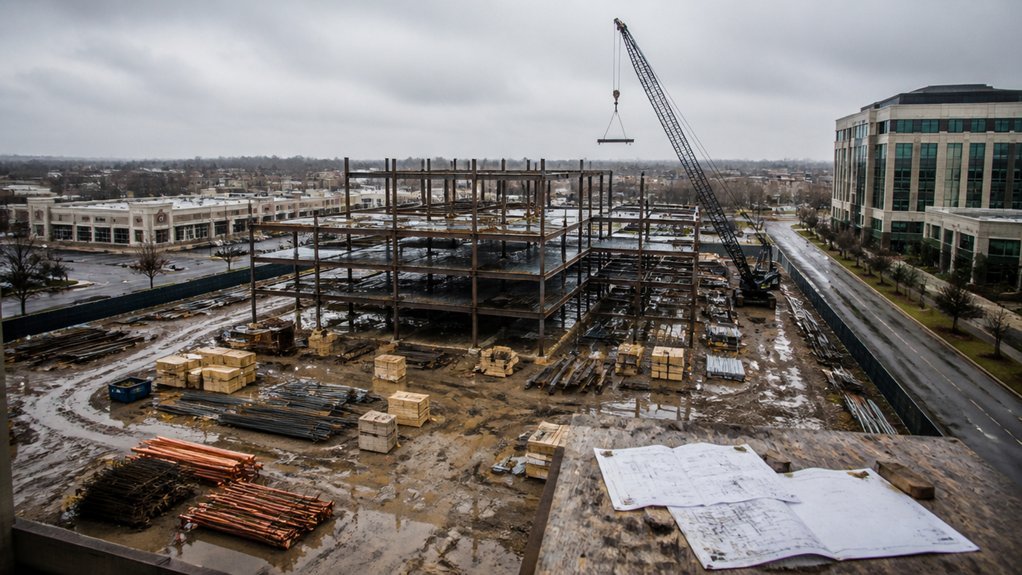
Building material costs have surged dramatically, reshaping how property developers approach their projects. Steel, lumber, and concrete prices have climbed steeply, leaving developers with tough decisions at every turn. Budgets stretch thin, timelines slip, and compromises become unavoidable.
Labor expenses balloon alongside material substitutions, squeezing profit margins throughout the industry. Some developers pause projects entirely, waiting for more stable pricing. Others rush to lock in supplier contracts before costs climb further. Each approach carries its own risks in this volatile environment.
Developers who thrive in these conditions share certain traits. They build strong supplier relationships, diversify material sources, and embrace flexible design approaches. Understanding these adaptive strategies offers valuable lessons for maintaining project viability when markets turn unpredictable.
Which Materials Are Driving Cost Increases the Most?
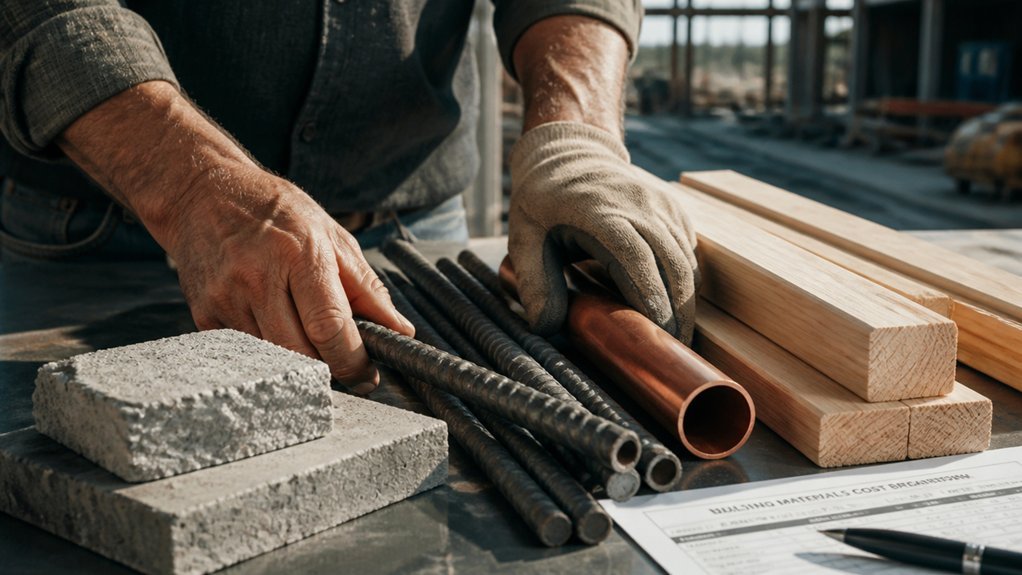
What factors explain the sharp rise in construction expenses? Steel and lumber prices have increased greatly due to supply chain disruptions, labor shortages, and increased demand.
Concrete costs have risen substantially, reflecting higher cement prices and transportation fees. Copper and aluminum materials have become more expensive, driven by global commodity market fluctuations.
Insulation materials, drywall, and roofing supplies have all experienced notable price increases.
Manufacturers cite raw material scarcity, production delays, and shipping costs as primary drivers. These material cost increases directly impact project budgets, requiring developers to adjust timelines, specifications, or financial planning accordingly.
How Do Rising Material Costs Ripple Through Project Budgets?
The price increases affecting steel, lumber, concrete, and other materials create cascading effects throughout project budgets, extending far beyond the initial purchase of supplies.
Labor costs rise when projects experience delays from material shortages or delivery postponements. Contractors may demand higher wages for extended timelines. Equipment rental expenses increase as projects stretch longer.
Insurance premiums climb due to extended coverage periods. Financing costs grow considerably when construction takes additional months. Subcontractors adjust pricing for schedule uncertainties.
Design changes become necessary when preferred materials become unavailable or unaffordable. These interconnected cost pressures compound, ultimately affecting project profitability and final pricing for property buyers and investors remarkably.
Why Are Developers Redesigning Projects to Cut Expenses?
As material costs continue climbing beyond initial projections, developers frequently modify project designs to reduce expenses and maintain profit margins. Common redesign strategies include substituting premium materials with cost-effective alternatives, reducing square footage, and simplifying architectural features.
Developers may downsize amenities, eliminate decorative elements, or postpone non-essential components to later phases. Some projects shift from steel to concrete framing, or reduce window sizes to lower glazing costs.
These modifications allow developers to complete projects within revised budgets while preserving essential functionality and structural integrity, though they may impact property appeal and long-term value.
How Material Cost Delays Impact Project Timelines
When suppliers face production bottlenecks or shipping disruptions, construction schedules suffer significant setbacks.
Delayed steel deliveries, for instance, prevent workers from completing structural frameworks on time. Concrete shortages extend foundation work, pushing subsequent phases backward.
Projects originally planned for twelve-month completion may extend to eighteen months, increasing labor costs and overhead expenses.
Developers must coordinate with multiple suppliers, adjust worker schedules, and communicate revised timelines to buyers. These cascading delays ripple through dependent tasks, creating compressed schedules later.
Material availability directly determines whether construction crews can maintain productivity, ultimately affecting project profitability and market competitiveness.
How Developers Absorb and Offset Rising Material Costs
Developers employ several strategies to manage material cost increases without sacrificing project viability. They negotiate bulk purchasing agreements with suppliers, securing discounts on concrete, steel, and lumber.
Some developers lock in prices early through forward contracts, protecting against future increases. Others substitute materials strategically, replacing expensive options with affordable alternatives while maintaining quality standards.
Value engineering examines project designs to eliminate unnecessary expenses. Developers also adjust project timelines, spreading costs across longer periods.
Financing structures shift some burden to investors and lenders. Finally, modest price increases on finished properties help offset material expenses, distributing costs among buyers rather than absorbing them entirely internally.
When Will Construction Material Costs Stabilize?
Predicting construction material cost stabilization requires examining multiple economic factors influencing supply and demand. Industry analysts suggest stabilization may occur in 2025 or 2026, depending on global supply chains, inflation rates, and labor availability.
Steel, lumber, and concrete prices fluctuate based on production capacity, shipping costs, and raw material availability. Interest rate changes affect developer spending and project timelines. Supply chain improvements and increased manufacturing capacity could accelerate stabilization.
However, geopolitical tensions and resource scarcity may prolong volatility.
Developers should monitor commodity price trends, economic forecasts, and industry reports to anticipate cost movements and plan accordingly.
How Should Developers Plan for Future Cost Volatility?
Uncertainty in material costs demands strategic planning from property developers, who must prepare for price swings across steel, lumber, concrete, and other essential inputs.
Developers should establish contingency budgets, typically five to ten percent above base estimates, to absorb unexpected increases.
Locking in supplier contracts early, diversifying material sources, and monitoring commodity markets help reduce exposure.
Building longer project timelines creates flexibility for market adjustments.
Developers benefit from consulting cost analysts who track inflation trends.
Regular budget reviews and scenario planning, examining best, worst, and moderate cases, enable informed decisions.
These practices help developers maintain profitability despite volatile market conditions.
Frequently Asked Questions
How Do Rising Material Costs Affect Property Resale Values and Buyer Affordability?
Rising material costs increase property development expenses, which developers pass to buyers through higher purchase prices. This reduces affordability for prospective homebuyers and may dampen resale demand, potentially stalling market momentum and limiting property value appreciation.
Which Geographic Regions Experience the Most Significant Construction Material Price Increases?
Coastal and metropolitan areas experience the most significant construction material price increases, driven by higher demand, limited supply chains, and increased transportation costs. Developing regions also face steep rises due to infrastructure constraints.
Can Developers Negotiate Bulk Purchase Agreements to Reduce Material Procurement Costs?
Ironically, while developers possess greater purchasing power than individual buyers, suppliers often resist bulk discounts due to sustained high demand. Nevertheless, strategic negotiations remain viable—developers securing long-term contracts, advance commitments, or direct manufacturer relationships can achieve meaningful cost reductions despite market pressures.
How Do Rising Material Costs Impact Smaller Developers Versus Large Construction Firms?
Smaller developers face disproportionate challenges from rising material costs due to limited purchasing power and inability to negotiate favorable bulk agreements. Larger construction firms leverage economies of scale, securing discounts and long-term contracts that smaller competitors cannot access, widening competitive advantages.
What Insurance Options Protect Developers Against Future Material Price Fluctuations?
A developer hedging steel costs through futures contracts locked in favorable rates during 2022’s volatility. Developers employ price escalation clauses in contracts, material cost insurance, and commodity futures contracts to mitigate unpredictable inflation risks effectively.
Conclusion
Property developers face mounting pressure from rising material costs, which reshape budgets, timelines, and design choices across projects. Steel, lumber, and concrete price fluctuations force difficult decisions regarding substitutions and redesigns. While developers employ various strategies to absorb these expenses, market stabilization remains uncertain. Strategic planning, flexible designs, and cost-monitoring systems help developers navigate volatility and maintain competitiveness in an unpredictable landscape.