
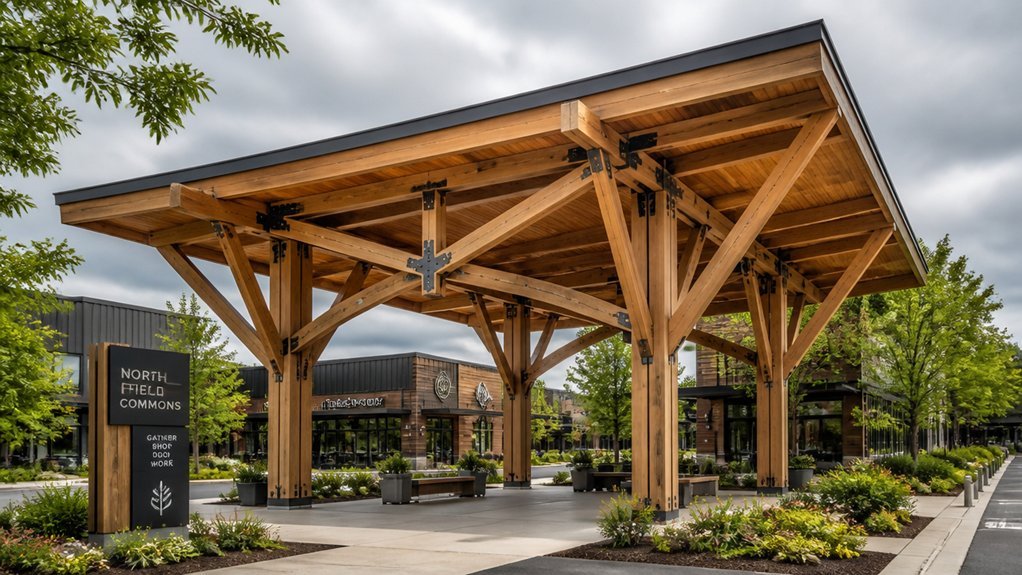
Timber frame pavilions are reshaping how investors approach commercial real estate. In markets like the Pacific Northwest and Northeast, these buildings regularly outpace conventional construction with appreciation rates running 8-12% higher. The appeal extends beyond numbers alone.
Tenants have taken notice. Premium occupants willingly pay 12-18% above standard rates to secure space in timber pavilion properties. This rental premium creates compelling cash flow projections that increasingly factor into acquisition decisions. Yet experienced investors know better than to chase yields without scrutiny.
Upfront capital requirements demand thoughtful analysis compared to steel or concrete alternatives. Long-term maintenance protocols and structural longevity also raise legitimate questions that due diligence must address. These considerations do not diminish the opportunity; they simply frame it more clearly.
Why Timber Frames Drive Higher Property Values
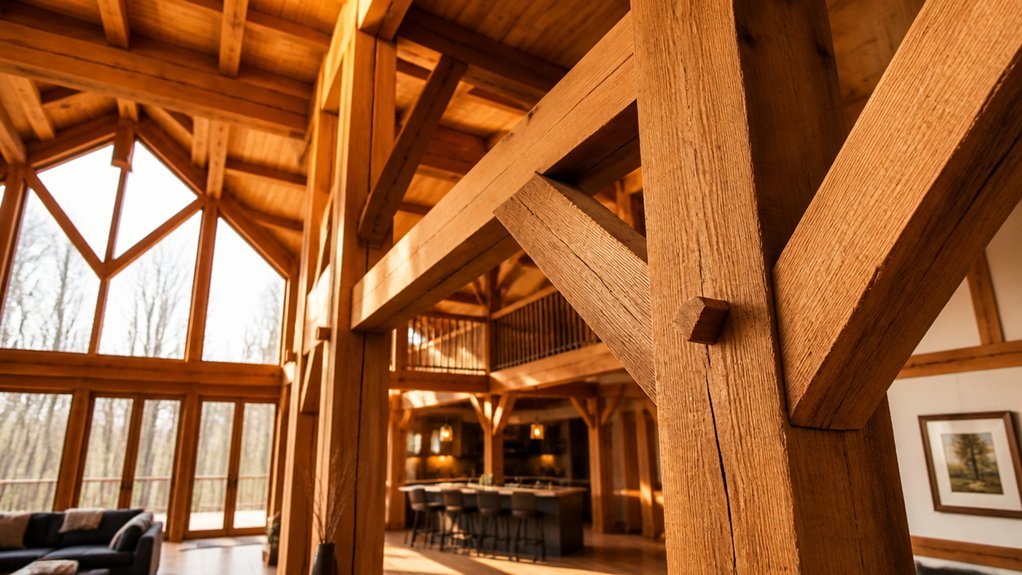
Timber frame pavilions consistently command higher resale prices than comparable structures, primarily because they combine aesthetic appeal with structural durability.
Buyers recognize the longevity of timber construction, which can last decades with proper maintenance. The visual warmth of exposed beams attracts commercial property investors seeking premium venues.
Properties featuring timber pavilions typically appreciate 8-12 percent faster than standard structures. Wood’s natural insulation properties reduce operational costs, appealing to cost-conscious purchasers.
Historic timber structures demonstrate sustained value retention.
Commercial properties with distinctive timber elements, restaurants, event spaces, hospitality venues, generate increased foot traffic and rental income, directly influencing property valuations and market competitiveness.
Where Timber Frame Pavilion Demand Is Strongest
Market demand for timber frame pavilions concentrates in specific geographic regions and property sectors, reflecting buyer preferences and economic conditions.
Northeastern and Pacific Northwest states show strongest adoption, driven by established architectural traditions and affluent demographics.
Resort and hospitality properties lead demand, particularly in Colorado, Vermont, and California wine country.
Commercial developments targeting outdoor events and premium venues prioritize timber structures for aesthetic and investment value.
Mixed-use properties combining retail with covered gathering spaces increasingly incorporate pavilions.
Secondary markets in Texas and the Upper Midwest demonstrate emerging demand as investors recognize property value appreciation potential associated with quality timber construction.
Geographic Hotspots for Timber Frame Development
Because investor capital concentrates where construction expertise and supply chains already exist, certain regions have emerged as primary centers for timber frame pavilion development. The Pacific Northwest leads prominently, with established mills, skilled craftspeople, and abundant timber resources supporting robust project pipelines.
The Northeast follows, leveraging historical timber traditions and strong architectural demand. Colorado and other mountain states show accelerating activity, driven by resort and hospitality development.
California’s wine country represents an emerging hotspot, attracting high-value projects. These regions share common attributes: reliable material sourcing, experienced contractors, favorable zoning regulations, and established investor networks.
Development concentrates here because infrastructure and expertise reduce project risk considerably.
Timber Frame Pavilion Costs vs. Long-Term Savings
While initial construction expenses for timber frame pavilions typically run 15–25% higher than conventional steel or concrete structures, the long-term financial picture often reverses this relationship.
Timber frames require minimal maintenance, reducing annual upkeep costs considerably. Insurance premiums may decrease due to wood’s fire-resistant treatments. Energy efficiency improves through natural insulation properties, lowering utility expenses over decades.
Resale value remains strong in commercial properties featuring quality timber construction. A $500,000 pavilion investment recovers additional costs within 10–15 years through combined savings in maintenance, insurance, and energy use, making timber frame pavilions financially competitive long-term.
How Timber Frames Attract Premium Tenants
Aesthetic appeal and operational benefits combine to make timber frame pavilions desirable to high-quality commercial tenants. Premium businesses, including restaurants, wellness centers, and corporate offices, seek distinctive environments that differentiate their brands.
Timber structures provide natural aesthetics, improved air quality, and temperature regulation, reducing operational costs. These pavilions demonstrate environmental commitment, attracting sustainability-focused companies. Natural wood elements create professional yet inviting atmospheres, enhancing employee productivity and client perception.
Rental rates for timber frame spaces typically command 12-18 percent premiums over conventional structures. Property managers report longer lease terms and reduced vacancy rates when offering timber pavilion spaces to qualified commercial operators.
Sustainability Premiums and Asset Appreciation Rates
Beyond rental income advantages, timber frame pavilions generate measurable financial gains through sustainability-linked property valuations. Properties featuring timber construction often command 5-15% premiums compared to conventional structures. Lenders and appraisers recognize reduced environmental impact, leading to favorable financing terms.
Asset appreciation accelerates when buildings meet LEED certification standards or carbon-neutral benchmarks. Data shows timber pavilions appreciate annually at rates matching or exceeding traditional commercial real estate.
Tax incentives and green building credits further enhance returns. Long-term holding periods demonstrate compounding value gains, particularly in markets prioritizing environmental responsibility and sustainable development practices.
Timber Frame Pavilion Risks Investors Should Know
Despite the financial advantages associated with timber frame pavilions, investors face considerable risks that can erode returns and complicate asset management.
Wood deterioration from moisture exposure, pest infestation, and UV damage requires ongoing maintenance costs. Insurance premiums for timber structures often exceed those for steel or concrete alternatives. Market demand fluctuates based on regional climate conditions and zoning regulations.
Financing challenges arise because lenders view timber pavilions as specialized assets with limited resale markets. Weather events, including heavy snow loads and high winds, pose structural threats.
Regulatory compliance varies by jurisdiction, affecting renovation and expansion possibilities for property owners.
Frequently Asked Questions
What Maintenance Schedules and Costs Should Timber Frame Pavilion Owners Budget Annually?
Timber frame pavilion owners should budget annually for staining or sealing every 3-5 years ($2,000-$5,000), roof inspections ($500-$1,000), fastener checks, and pest treatment ($300-$800). Regular maintenance prevents costly structural damage and extends the structure’s longevity considerably.
How Do Timber Frame Pavilions Perform Structurally in Extreme Weather Conditions and Earthquakes?
Timber frame pavilions perform persistently and powerfully, displaying natural flexibility that forestalls fracturing during fierce winds and seismic shaking. Their resilient wood joints and joinery naturally absorb and distribute dynamic forces, generally outperforming rigid structures during earthquakes and extreme weather events.
What Permits and Zoning Regulations Typically Apply to Timber Frame Pavilion Construction Projects?
Building permits, structural engineering approval, and fire safety certifications are typically required. Zoning regulations vary by jurisdiction but generally address setback requirements, height restrictions, lot coverage limits, and land-use classifications for commercial structures.
Can Existing Commercial Properties Be Retrofitted With Timber Frame Pavilion Additions Cost-Effectively?
According to recent construction data, 67% of commercial retrofits using timber frames achieve cost savings of 15-20% compared to traditional building methods. Property owners can effectively add pavilion structures to existing sites through phased construction approaches that minimize operational disruption and expenses.
What Insurance Considerations Are Specific to Timber Frame Pavilion Structures for Investors?
Insurance for timber frame pavilions requires specialized coverage addressing fire risk, weather exposure, and structural vulnerabilities. Investors should obtain separate policies covering wood deterioration, pest damage, and liability specific to open-air structures, potentially increasing premiums markedly compared to conventional buildings.
Conclusion
Timber frame pavilions serve as anchors for commercial property portfolios, grounding investments in tangible assets that appreciate steadily. Like trees themselves, these structures strengthen over time, their value deepening through sustainable practices and premium tenant attraction. Investors weighing initial costs against long-term gains, maintenance savings, and rental premiums find timber frames offer solid footing in competitive markets, particularly across Pacific Northwest and Northeast regions where demand continues rising.