
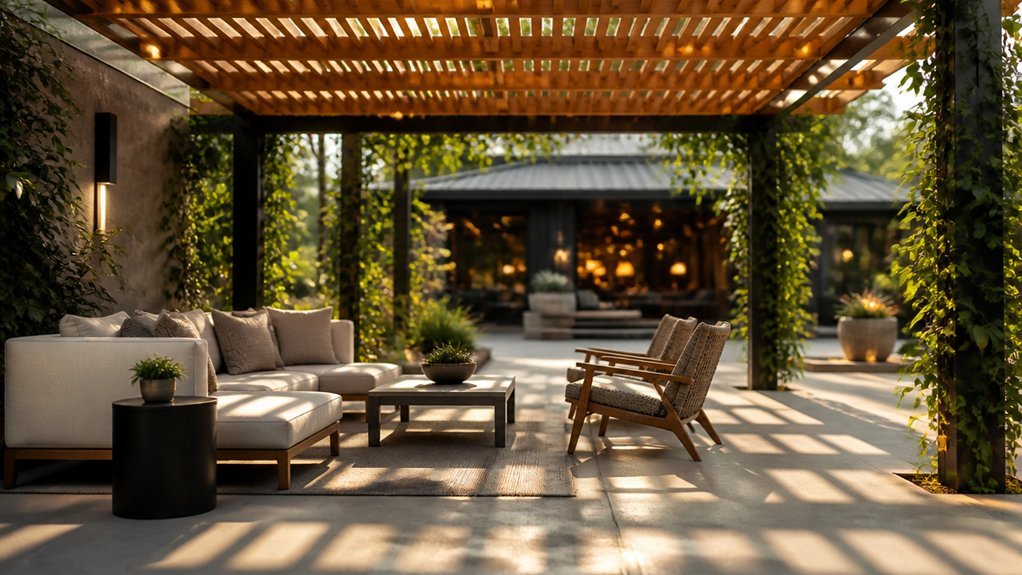
Pergolas bring more than shade to commercial properties. They carve out intentional spaces where customers naturally want to linger. A well-placed structure turns an overlooked corner into a destination.
Restaurant patios see immediate benefits from these installations. Guests stay longer when seated comfortably beneath a covered frame, ordering that extra round of drinks. Retailers notice similar patterns at store entrances, where covered display areas draw curious browsers inside. Even corporate campuses use them to host informal meetings that would otherwise crowd indoor conference rooms.
The financial upside extends beyond daily operations. Property managers can book pergola-adjacent areas for private events, seasonal markets, or promotional partnerships. This flexibility adds revenue streams without major construction. A single structure might serve as dining space in summer, then transform into a heated gathering spot when cooler months arrive.
Still, not every pergola pays for itself quickly. Local climate, maintenance requirements, and permit costs all shape the timeline for returns. Smart owners weigh these variables before selecting materials and placement.
How Pergolas Boost Property Value

A pergola functions as both a practical and aesthetic addition to residential properties, directly influencing home valuation. Real estate data indicates that pergolas increase outdoor appeal, attracting potential buyers willing to pay premium prices.
Properties featuring pergolas in backyards, patios, or garden areas typically command 5-15% higher selling prices compared to similar homes without them. The structure provides shade, defines outdoor living spaces, and demonstrates property maintenance.
Homebuyers value these features because they expand usable square footage and reduce immediate landscaping expenses. Installing a pergola represents a moderate investment that generates measurable returns during property sales, making it a practical enhancement for homeowners considering future resale value.
What’s Your Pergola ROI? Cost vs. Long-Term Returns
How much does a pergola cost, and what financial returns can homeowners expect? Installation typically ranges from $3,000 to $10,000, depending on materials, size, and complexity.
Vinyl pergolas cost less upfront than wood or aluminum options.
Property value increases average 5-15% in outdoor living spaces, translating to $15,000-$45,000 added value on a $300,000 home.
Buyers increasingly prioritize outdoor amenities for entertaining and relaxation.
Maintenance costs factor into long-term returns, with wood requiring regular treatment, vinyl demanding minimal upkeep.
The payback period generally spans 5-10 years through increased property appeal and functional outdoor usage.
Extend Your Outdoor Season Year-Round
Pergolas equipped with retractable shade systems, heating elements, and weather protection extend usable outdoor time across seasons. Restaurants and retail establishments benefit from year-round operation, converting seasonal spaces into revenue-generating areas.
Motorized retractable canopies adjust to sun and rain conditions automatically. Overhead heaters, such as electric or gas units, maintain comfortable temperatures during cooler months. Integrated lighting systems enable evening use when natural daylight diminishes.
Businesses in moderate climates maximize occupancy rates and customer capacity by operating outdoor seating twelve months annually.
Weather-resistant materials, including aluminum frames and treated fabrics, withstand temperature fluctuations and precipitation exposure without requiring constant maintenance or replacement.
Turn Underutilized Spaces Into Revenue-Generating Pergola Areas
Many businesses overlook outdoor areas, such as parking lot edges, rooftop sections, side yards, and patio corners, that remain empty or underused throughout the year. Adding pergolas transforms these spaces into functional venues for events, dining, or retail activities.
Restaurants install pergola-covered patios for expanded seating capacity. Hotels use rooftop pergolas for premium event rentals. Retail shops create outdoor shopping areas with shade structures.
These installations generate additional revenue through venue rentals, extended service areas, and increased customer dwell time. Pergolas provide the structural framework needed to convert forgotten spaces into profitable business assets with minimal operational complexity.
Attract More Customers With Comfortable Outdoor Environments
Outdoor spaces that offer protection from sun, wind, and rain appeal directly to customer preferences and behavior patterns. Pergolas create comfortable environments where customers linger longer, increasing spending opportunities.
Businesses installing pergolas report higher foot traffic in outdoor dining and retail areas.
Shade structures reduce heat exposure, making spaces usable during peak summer hours. Weather protection encourages year-round visits, particularly in regions with variable conditions.
Comfortable outdoor settings differentiate commercial properties from competitors, building customer loyalty and repeat visits.
Strategic pergola placement near entrances and seating areas maximizes visibility and accessibility for patrons.
Pergola Configurations for Restaurants, Retail, and Corporate Spaces
While customer comfort drives pergola installation, the specific design and placement of these structures must align with each business type’s operational needs and customer expectations.
Restaurants benefit from open-sided pergolas that provide shade while allowing server access and sightlines.
Retail environments use pergolas to define entrance areas and create walkway coverage that encourages browsing.
Corporate spaces employ pergolas near break areas and parking lots, offering employees respite from weather.
Each configuration varies in materials, size, and attachment methods based on the location’s foot traffic, climate conditions, and aesthetic requirements.
Choosing the Right Pergola Style for Your Commercial Property
How should a business owner evaluate pergola options for their specific property? Selection depends on several factors: climate conditions, available space, and intended function.
A restaurant might choose a louvered pergola for adjustable shade during service hours. Retail establishments benefit from open designs that maintain visibility from the street. Corporate spaces often prefer modern aluminum structures, which require minimal maintenance.
Consideration of foot traffic patterns, weather exposure, and budget constraints proves essential.
Wood pergolas suit upscale venues but demand regular treatment. Metal options offer durability in harsh climates.
Property owners should assess local building codes and permit requirements before finalizing design choices.
Frequently Asked Questions
What Permits and Zoning Regulations Do I Need Before Installing a Pergola?
Property owners should consult their local building department to determine specific permit requirements. Most jurisdictions require permits for structures exceeding certain heights or footprints. Zoning regulations vary by location, affecting setback distances and design specifications.
How Much Maintenance Is Required for Pergolas, and What Are Annual Costs?
Like a well-maintained garden yielding abundant harvests, pergolas require seasonal upkeep. Annual maintenance typically costs $500–$1,500, including cleaning, staining, and inspections. Wood pergolas demand more attention than metal alternatives, ensuring longevity and structural integrity.
Can Pergolas Withstand Extreme Weather Conditions Like High Winds or Heavy Snow?
Pergolas can withstand moderate weather conditions when properly constructed and maintained. However, extreme winds and heavy snow loads may cause structural damage. Reinforced designs and regular inspections greatly enhance durability in harsh climates.
What Financing or Incentive Programs Are Available for Commercial Pergola Installations?
Commercial property owners may access financing through commercial loans, equipment leasing programs, and property improvement grants. Some municipalities offer tax incentives for outdoor improvement projects. Business owners should consult financial institutions and local economic development offices.
How Long Does a Typical Pergola Installation Take, and Will It Disrupt Business Operations?
One might assume pergola installations require extensive downtime, yet most commercial projects complete within 3-7 days. Minimal disruption occurs when scheduling occurs during off-hours or slower business periods, allowing operations to continue with strategic planning.
Conclusion
Pergolas represent a practical investment for commercial properties seeking to enhance outdoor spaces, increase customer capacity, and generate additional revenue. Restaurants, retail locations, and corporate venues benefit from improved aesthetics, extended seasonal usability, and customer comfort. By strategically placing pergolas in underutilized areas, businesses create functional environments that drive foot traffic and event bookings. Can property owners afford to overlook such a straightforward tool for measurable financial returns?