
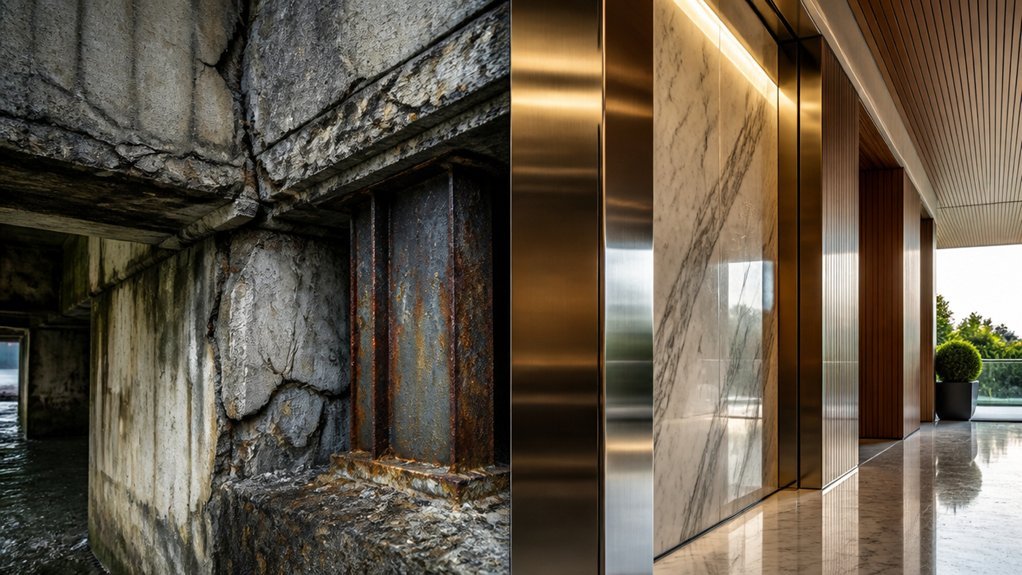
The materials selected during construction shape a property’s financial trajectory for decades. Concrete foundations and metal roofing demand higher initial investment, yet their extended lifespans and minimal maintenance requirements offset those early costs. Property owners who prioritize durability often discover that spending more at the outset prevents expensive headaches later.
Not all value manifests in obvious ways. Energy-efficient windows and quality insulation operate quietly in the background, lowering utility expenses while making spaces more desirable to quality tenants. These improvements can justify premium rents and reduce turnover, creating steady returns that compound annually. The challenge lies in predicting which upgrades yield the strongest performance in specific markets and climates.
Cheaper alternatives frequently disguise their true expense. Materials that deteriorate rapidly trigger cycles of repair, replacement, and tenant disruption. What appeared economical on paper transforms into a persistent drain on both operating budgets and asset appreciation. Savvy developers weigh lifecycle costs against sticker prices before committing to any specification.
Determining optimal material investments requires balancing multiple timelines. Some upgrades pay back within five years through energy savings; others build value gradually through enhanced marketability and extended building lifespan. Local conditions, tenant expectations, and financing structures all influence which choices ultimately deliver the strongest returns.
What Really Costs Money: The True Price of Material Choices
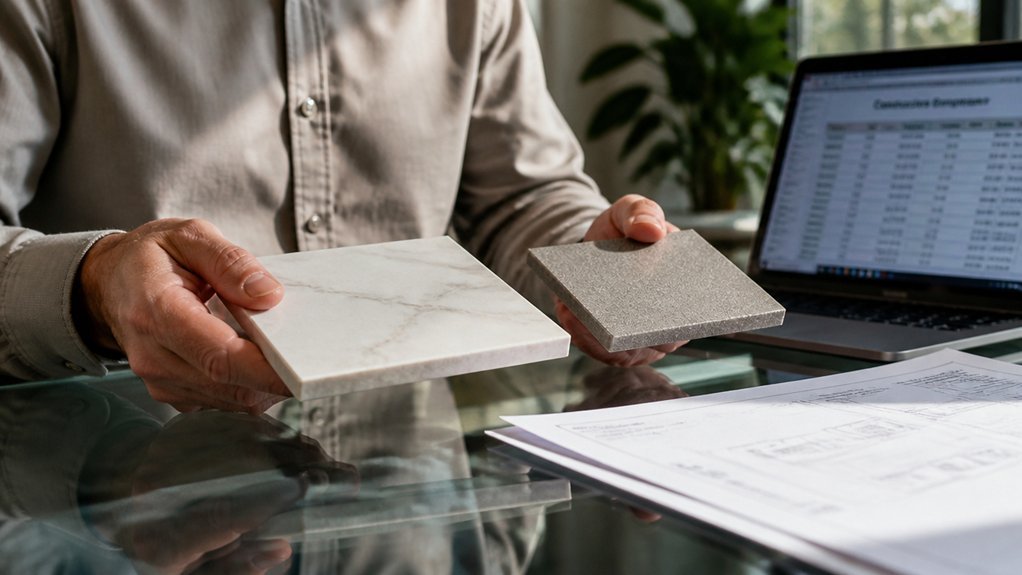
The true cost of construction materials extends far beyond the initial purchase price. Maintenance expenses, replacement cycles, and durability factors greatly impact long-term asset value.
Concrete requires periodic sealing and repair, adding ongoing costs. Steel demands rust prevention and protective coatings. Wood necessitates regular treatment against decay and pest damage.
These secondary expenses accumulate over decades, often exceeding original material costs. Labor for maintenance, material degradation, and premature replacement drive expenses higher.
Property owners must evaluate not just upfront spending but expected lifetime costs. Cheaper initial materials frequently result in expensive long-term obligations and reduced property value.
Strategic material selection considers full economic impact across years.
How Material Durability Protects Long-Term Asset Value
Material durability directly determines whether a property maintains, gains, or loses value over time. Quality materials resist deterioration, reducing repair costs and replacement frequency. Concrete foundations, metal roofing, and hardwood flooring demonstrate longevity compared to cheaper alternatives.
Durable materials withstand weather exposure, moisture infiltration, and structural stress more effectively. Properties built with resilient materials command higher resale prices because buyers avoid future renovation expenses. Deteriorating materials signal underlying problems, lowering buyer confidence and property valuations.
Long-lasting materials preserve structural integrity, preventing costly damage to interior and exterior components. Investors recognize that material durability represents a direct financial advantage, protecting asset value across decades.
Energy Efficiency and Operating Costs: The Numbers Behind the Payback
Energy efficiency creates measurable financial returns that extend beyond initial construction costs. High-performance insulation, LED lighting systems, and Energy Star-rated HVAC equipment reduce monthly utility expenses markedly. A building with superior insulation might lower heating and cooling costs by 20-30 percent annually.
Solar panels generate electricity, offsetting grid consumption and creating long-term savings. These investments typically recoup their costs within 5-10 years through reduced operating expenses.
Lower utility bills increase net operating income, directly improving property valuation. Prospective buyers and tenants increasingly prioritize energy-efficient features, making these materials competitive advantages in real estate markets.
Building Code Compliance and Insurance Premiums
Beyond the operational savings that energy-efficient materials provide, building code compliance fundamentally affects property insurance costs and risk exposure. Properties constructed with fire-resistant materials, such as concrete and steel, typically qualify for lower insurance premiums than wood-frame buildings.
Insurers assess compliance with current building codes when determining rates, rewarding structures meeting seismic standards, wind resistance requirements, and safety regulations. Non-compliant properties face higher premiums or coverage denial. Materials like impact-resistant roofing and reinforced foundations reduce claims risk.
Building owners should verify their property’s code status and material specifications with insurance providers. Compliance improvements directly lower annual insurance expenses while increasing asset marketability.
Tenant Satisfaction and Retention: The Revenue Side of Material Quality
While building code compliance reduces insurance costs and risk exposure, the quality of construction materials also directly influences tenant satisfaction and lease renewal rates. Superior materials like durable flooring, quality fixtures, and reliable HVAC systems create functional, comfortable spaces that tenants prefer.
Properties with well-maintained materials experience lower vacancy rates, higher rental income, and extended lease agreements. Conversely, deteriorating materials lead to tenant complaints, early departures, and increased turnover costs.
Commercial and residential tenants both evaluate material quality during property inspections and lease decisions. Investing in quality construction materials thus generates measurable revenue benefits through improved tenant retention and reduced marketing expenses for vacancy filling.
Green Certifications: Why Sustainable Materials Command Higher Resale Value
Beyond tenant retention and operational savings, properties featuring sustainable materials and green certifications attract a growing segment of buyers willing to pay premium prices at resale.
LEED certification, Fitwel standards, and Energy Star ratings demonstrate measurable environmental performance, reducing buyer concerns about future operating costs.
Properties with recycled content flooring, low-VOC paints, and efficient HVAC systems command resale premiums ranging from five to ten percent above comparable conventionally-built properties.
Third-party certifications provide documented proof of material quality and durability, decreasing perceived risk for purchasers.
Market demand for certified sustainable properties continues expanding, making these investments strategically valuable for long-term asset appreciation.
Calculating ROI: Which Material Upgrades Pay Back Fastest
How quickly do material upgrades recoup their initial costs? Energy-efficient windows typically return 70-80% of costs within ten years, while insulation improvements recover 50-70% faster.
Metal roofing pays back slower, requiring fifteen to twenty years, but lasts notably longer than asphalt alternatives. Kitchen countertops using granite or quartz recoup 50-60% through resale value.
Flooring materials vary considerably: laminate offers quick returns, hardwood slower but steadier appreciation.
Homeowners should calculate payback periods by comparing upgrade costs against documented resale value increases, considering local market conditions, material longevity, and maintenance expenses before committing resources.
Frequently Asked Questions
How Do Material Choices Impact Property Tax Assessments and Valuations Over Time?
Superior construction materials enhance assessed values by improving durability and aesthetics. Assessors consider material quality when determining property worth. Premium materials command higher valuations, while inferior choices may reduce assessments. Long-term maintenance costs and material longevity directly influence property tax evaluations and market values.
What Environmental Factors Cause Certain Materials to Degrade Faster Than Others?
One assumes weather primarily degrades materials; research confirms this partly true. Moisture, UV radiation, temperature fluctuations, and chemical exposure accelerate breakdown. Salt air corrodes metals faster, freeze-thaw cycles crack concrete, and humidity promotes wood rot and mold proliferation.
Can Switching Materials Mid-Project Affect Construction Timelines and Labor Costs Significantly?
Yes, substituting materials during construction typically extends timelines and increases labor expenses. Workers require retraining, equipment modifications may be necessary, supply chain disruptions occur, and existing installations sometimes need removal, creating substantial cost overruns and scheduling delays.
How Do Material Choices Influence Financing Options and Interest Rates for Properties?
Material durability and maintenance costs directly impact property valuations and risk assessments. Lenders offer better financing terms for buildings constructed with premium, long-lasting materials, as they represent lower default risk and higher collateral values, thereby reducing interest rates for borrowers.
What Warranty Coverage Differences Exist Between Premium and Standard Construction Materials?
Notably, just as property owners seek protection, premium materials typically offer extended warranties spanning 10-25 years, while standard materials provide 1-5 year coverage. Premium options include labor guarantees and replacement provisions, whereas standard warranties often exclude installation defects and environmental damage claims.
Conclusion
Property owners often discover, ironically, that spending less upfront costs substantially more later. Cheap materials deteriorate quickly, requiring frequent repairs, higher maintenance bills, and reduced tenant appeal. Conversely, quality construction materials preserve asset value, attract reliable tenants, lower operating expenses, and command higher resale prices. The counterintuitive truth remains: investing more initially in durable, energy-efficient, compliant materials generates better long-term financial returns than budget alternatives.