
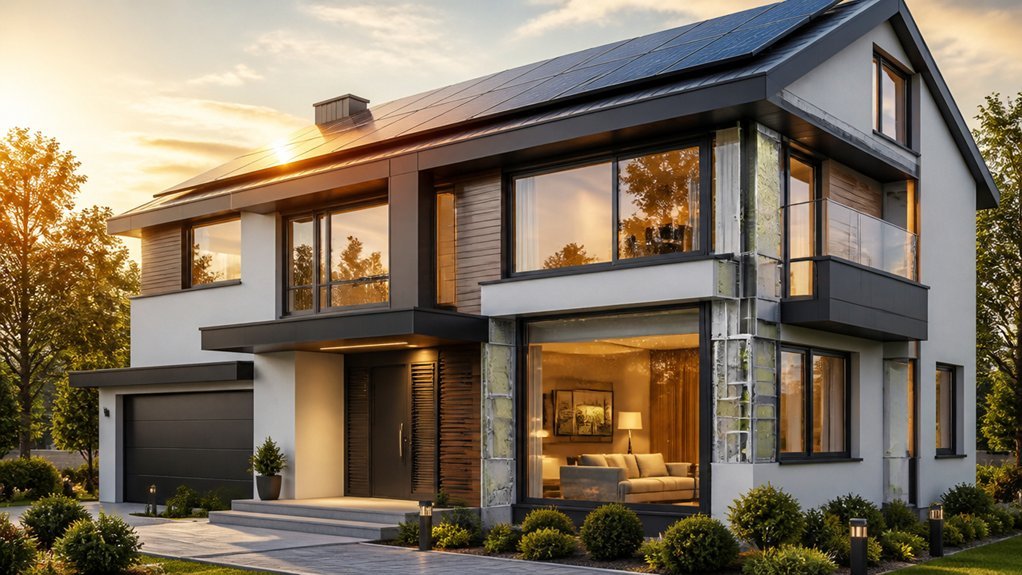
Homeowners today face a growing dilemma: which upgrades actually pay off? Energy-efficient improvements have emerged as one of the smarter investments, though the returns vary widely depending on what you choose and where you live.
Solar installations, modern HVAC systems, and better insulation top the list of value-adding projects. Buyers are increasingly drawn to properties with lower utility bills and visible sustainability features. These upgrades typically recoup anywhere from 40% to 80% of their initial cost when it’s time to sell.
Green certifications add another layer of appeal. Homes with recognized energy credentials often sell faster and at premium prices compared to similar properties without them. The certification itself signals quality and long-term savings that buyers find hard to ignore.
Not every upgrade delivers equally, though. Local climate, energy costs, and buyer demographics all shape the final return. Smart sellers dig into regional ROI data before committing to any major project.
How Much Value Do Energy Upgrades Add: Real ROI Numbers
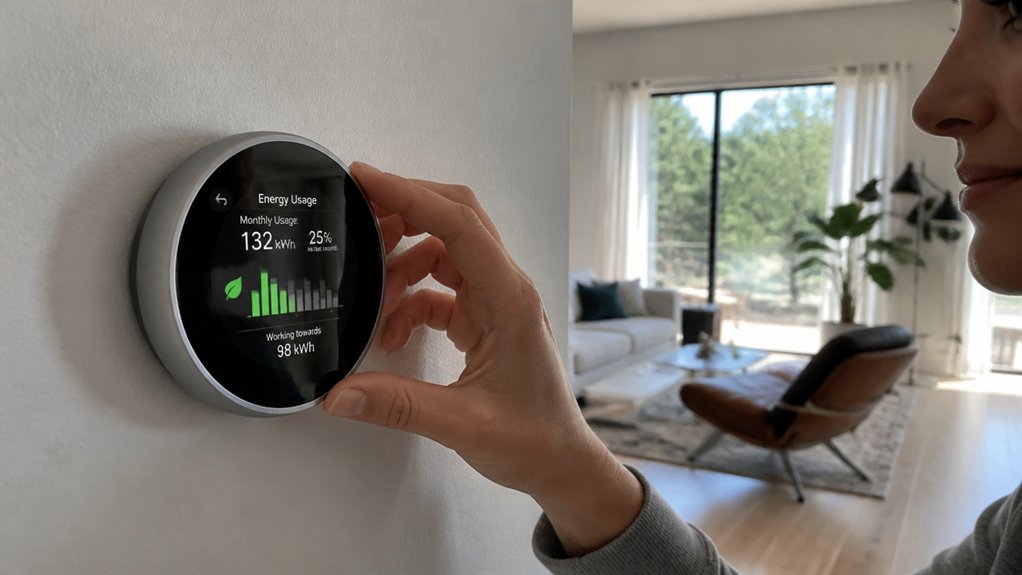
When homeowners invest in energy-efficient upgrades, the financial returns depend on several factors, including the type of improvement, local energy costs, and climate conditions.
Insulation improvements typically recover 50-70% of costs at resale, while HVAC system replacements recover 40-60%. Solar panel installations offer higher returns, recovering 70-80% in many markets. Energy-efficient windows recoup approximately 45-50% of expenses.
Geographic location considerably influences returns, with colder climates seeing better insulation payback and sunnier regions benefiting more from solar investments.
Homeowners should calculate payback periods by dividing upgrade costs by annual energy savings, accounting for tax credits and local incentive programs that reduce initial expenses substantially.
Why Lower Energy Bills Translate to Higher Resale Prices
Buyers consistently prioritize lower operating costs, recognizing that reduced energy bills represent ongoing savings rather than one-time expenses. A home with efficient HVAC systems, insulation, and LED lighting demonstrates measurable monthly savings.
Prospective purchasers calculate utility costs over years, factoring energy expenses into affordability assessments.
Properties featuring Energy Star certification or recent upgrades command higher prices because they reduce long-term financial burden.
Lower projected electricity and heating bills increase buyer willingness to pay premium prices, sometimes recouping 50-80% of upgrade investments at resale through price appreciation and faster sales velocity.
Rank Your Upgrades by ROI: Solar, HVAC, Windows, and Insulation
Which upgrades deliver the strongest financial returns depends on climate zone, current home condition, and local energy costs.
Solar panels typically offer the highest ROI in sunny regions, recovering 70-80% of installation costs through resale value. HVAC system replacements rank second, especially in extreme climates, returning 40-50% of costs.
Window upgrades provide moderate returns around 30-40%, particularly in cold areas.
Attic and wall insulation improvements yield 15-20% returns but require lower upfront investment. Homeowners should prioritize based on existing conditions: a home with poor insulation benefits more from weatherization than window replacement.
Geographic location ultimately determines which upgrade maximizes property value most effectively.
Energy Star and EPC Labels: What Buyers Actually Look For
How much do energy certifications actually influence real estate transactions? Energy Star labels and EPC ratings markedly impact buyer decisions, particularly in competitive markets.
Properties with Energy Star certification typically command 3-5% higher prices than comparable non-certified homes. EPC ratings, common in Europe, directly affect property valuations, mortgageability, and insurance costs.
Buyers increasingly scrutinize these labels before making offers, viewing them as indicators of lower utility expenses and maintenance requirements.
Real estate agents report that certification presence accelerates sales timelines. Properties lacking current certifications face longer market times and reduced negotiating power, making certification acquisition a practical consideration for sellers planning exits.
Energy Upgrade Tax Credits and Rebates
Several federal and state programs provide financial incentives for energy-efficient building upgrades. These programs reduce the out-of-pocket costs for property owners.
The federal Residential Energy Credit covers insulation, windows, doors, and HVAC systems, offering up to $3,200 in tax deductions. Many states supplement federal programs with additional rebates. Utility companies frequently offer rebate programs for specific upgrades like heat pumps or water heaters.
Property owners should verify eligibility requirements, documentation needs, and application deadlines before starting upgrades.
These financial incentives directly lower renovation expenses, improving return on investment and property resale value.
Energy Efficiency as a Price Signal: What Buyers Will Pay Extra For
Energy-efficient upgrades influence property values in real estate markets beyond the immediate savings from tax credits and rebates. Buyers consistently pay premiums for homes with certified Energy Star appliances, improved insulation, and modern HVAC systems.
Studies indicate purchasers accept 3-5% higher prices for properties with reduced utility costs. Solar panels, heat pumps, and smart thermostats signal lower operating expenses to potential owners. Energy efficiency certifications like LEED or passive house standards strengthen market appeal.
Real estate agents report faster sales for upgraded homes. Regional climate conditions affect buyer preferences. Cooling systems command higher values in warm areas, while heating efficiency matters more in cold climates.
Which Upgrades Should You Do First?
When should a property owner begin energy upgrades, and in what sequence? Prioritization depends on existing conditions, budget, and climate zone.
Addressing air leaks and insulation problems typically comes first, since these foundational issues affect heating and cooling efficiency.
Next, consider HVAC system upgrades, followed by window replacements. Solar panels and heat pumps rank later in the sequence. Water heater upgrades fall between mid-tier priorities.
Property owners should conduct energy audits to identify the largest efficiency gaps.
This assessment reveals which upgrades deliver the strongest return on investment and energy savings for specific properties.
Frequently Asked Questions
How Long Do Energy-Efficient Upgrades Typically Last Before Needing Replacement?
Energy-efficient upgrades typically last 15 to 25 years before requiring replacement. Solar panels endure 25-30 years, while HVAC systems last 15-20 years. Insulation and windows generally persist 20-25 years, depending on quality, climate conditions, and maintenance practices.
Can Energy Upgrades Help Qualify for Better Mortgage Rates or Terms?
Energy-efficient upgrades can help borrowers qualify for better mortgage rates through green mortgage programs offered by many lenders. These programs reward energy-efficient homes with lower interest rates and reduced closing costs, recognizing decreased operational expenses and lower default risks.
Do Energy-Efficient Homes Sell Faster Than Conventional Homes on the Market?
Like a magnet drawing metal shavings, energy-efficient homes attract buyers faster than conventional properties. Yes, they typically sell quicker due to lower utility costs, environmental appeal, and modern features that today’s buyers increasingly demand and value.
What Financing Options Exist Specifically for Energy-Efficient Building Improvement Projects?
Financing options for energy-efficient improvements include federal tax credits, Energy Efficient Mortgages (EEMs), Property Assessed Clean Energy (PACE) programs, utility rebates, and green loans from specialized lenders. Some homeowners qualify for grants through state and local environmental initiatives.
How Do Energy Upgrades Affect Homeowner Insurance Premiums and Coverage Options?
Like a fortress strengthened against future storms, energy-efficient improvements often reduce insurance premiums by lowering fire and weather risks. Insurers reward such upgrades with better rates and expanded coverage options, recognizing diminished property vulnerability and claim likelihood.
Conclusion
Energy-efficient upgrades recover 40-80% of costs, lower utility bills, and attract buyers seeking sustainability. Solar panels, HVAC replacements, and insulation improvements demonstrate measurable financial returns. Energy Star certification accelerates sales and commands premium prices. Tax credits further offset expenses. Homeowners investing strategically in these upgrades gain competitive market advantages, though results vary by location and upgrade type. Financial benefits prove substantial for those prioritizing resale value.