
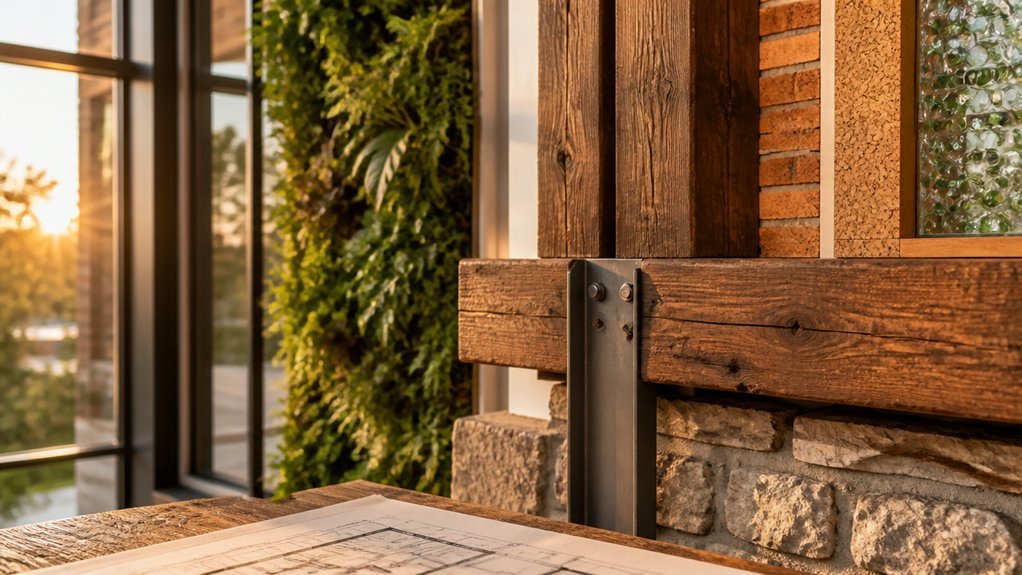
Sustainable building materials have reshaped how investors evaluate property potential. Beyond environmental appeal, they deliver tangible financial returns that increasingly drive purchasing decisions. The numbers speak clearly: properties with solar installations, high-performance windows, and recognized green certifications commonly appreciate 5-10% above comparable conventional buildings.
For those holding real estate assets, the benefits extend well beyond initial valuation bumps. Operating costs drop substantially through reduced energy consumption and decreased maintenance demands. Premium tenants actively seek these properties, often accepting higher rents for spaces aligned with their sustainability values. Lenders have taken notice too, frequently extending preferential rates and terms for certified green buildings.
The reality, however, remains more nuanced than blanket enthusiasm suggests. Financial advantages fluctuate significantly based on whether one examines residential apartments, commercial offices, or industrial warehouses. Local market maturity, regional climate conditions, and available incentive programs all shape actual returns. Investors who map these variables carefully position themselves to capture maximum value from sustainable construction choices.
How Much Value Do Sustainable Materials Add to Property Prices?
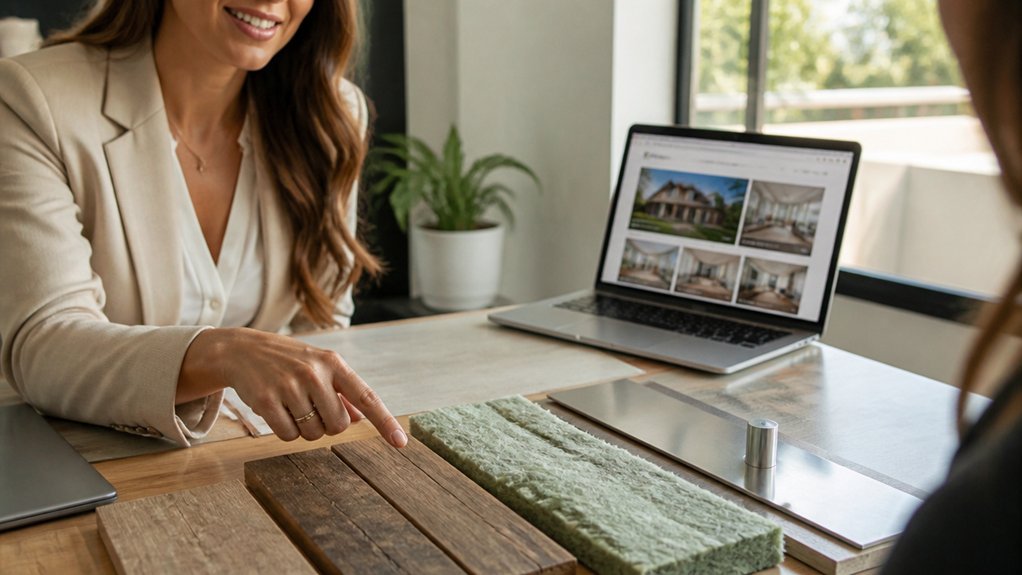
To what extent do sustainable building materials influence a property’s market value? Research indicates that eco-friendly features typically increase property prices by 5-10 percent.
Solar panels, energy-efficient windows, and recycled insulation contribute measurable returns. Buyers increasingly prefer homes with lower operating costs, reduced environmental impact, and improved indoor air quality.
Properties certified through LEED or similar standards command premium prices in competitive markets.
However, value gains depend on location, material quality, and local demand for green features. Investors should evaluate regional market conditions before selecting sustainable materials, as returns vary considerably across different geographic areas and demographic preferences.
Operating Costs and Long-Term ROI: The Real Numbers
While initial price premiums reflect buyer enthusiasm for green features, the actual financial benefit emerges through reduced operating expenses over time.
Energy-efficient insulation, LED systems, and high-performance HVAC units lower utility bills considerably. Properties with solar panels, for example, reduce electricity costs by 40-60% annually. Water-conserving fixtures decrease consumption expenses.
Sustainable materials require less maintenance, reducing repair costs. Studies show green buildings recover initial investments within 5-10 years through operational savings. Beyond this threshold, owners accumulate net gains.
Long-term ROI often exceeds 15-20% when accounting for reduced maintenance, lower utility expenses, and potential tax incentives combined.
Why Green Certifications Attract Premium Tenants and Better Financing
How do green certifications influence tenant selection and lending decisions? Properties with LEED, ENERGY STAR, or Living Building Challenge certifications command higher rental rates, typically 3-15% above market averages.
Premium tenants, including corporations prioritizing sustainability goals, actively seek certified spaces.
Lenders view certified buildings as lower-risk investments, offering favorable loan terms, reduced interest rates, and extended amortization periods.
Financial institutions recognize decreased operating costs and stable tenant demand as positive indicators. Insurance providers similarly offer discounts for certified properties.
These certifications fundamentally function as third-party verification of building quality, operational efficiency, and tenant desirability, directly impacting both acquisition financing and long-term profitability.
Building Codes Requiring Sustainable Materials: What’s Changing
Green certifications reward buildings that already meet high performance standards, yet increasingly, building codes themselves are mandating sustainable material requirements rather than leaving them optional.
Several jurisdictions now require low-emitting materials, recycled content products, and energy-efficient systems in new construction and major renovations.
California’s Title 24 and New York City’s Local Law 97 exemplify this shift toward mandatory sustainability standards.
Property investors face compliance costs upfront, but reduced operational expenses and improved marketability follow.
Understanding local code changes helps investors plan budgets accurately and avoid costly retrofits later.
Retrofit vs. Build New: Where Sustainable Materials Pay Off
Because existing buildings represent the majority of the real estate market, retrofitting older structures often presents a more practical investment path than constructing new properties. Retrofits using sustainable materials like high-efficiency insulation, LED lighting, and low-flow fixtures reduce operating costs immediately.
New construction allows complete integration of sustainable systems, solar panels, and advanced HVAC technology from inception.
Retrofitting suits investors seeking quicker returns on established properties, while new builds demand higher upfront capital but offer long-term energy savings.
Market conditions, property location, and investor timeline determine which approach yields better financial outcomes for sustainable material investments.
Which Property Types See the Highest Returns on Sustainable Materials?
Different property types generate varying financial returns when incorporating sustainable materials.
Commercial office buildings, particularly Class A properties, show strong returns through reduced operational costs, tenant demand, and premium rental rates.
Multifamily residential units benefit from lower utility expenses and increased occupancy rates.
Industrial warehouses with energy-efficient features attract logistics companies seeking sustainability credentials.
Retail properties see modest returns unless anchor tenants drive demand for green certifications.
Healthcare facilities gain significant advantages through improved indoor air quality, reducing liability and attracting patients.
Educational institutions receive favorable financing terms and government incentives.
Mixed-use developments maximize returns by combining multiple property types, spreading risk, and creating synergistic operational efficiencies.
How Sustainable Materials Protect Properties From Becoming Obsolete
What makes a property remain competitive and valuable over decades? Sustainable materials create this longevity through durability and relevance.
Properties built with recycled steel, bamboo flooring, and low-VOC finishes resist physical deterioration better than conventional alternatives. Energy-efficient windows and insulation reduce maintenance costs, keeping properties attractive to buyers.
Green certifications like LEED maintain market appeal as environmental standards tighten.
Materials that withstand climate stress, such as permeable pavement and reflective roofing, prevent costly damage. Properties using these materials adapt to changing regulations and buyer preferences.
This forward-thinking approach protects investments from becoming outdated or unmarketable.
Frequently Asked Questions
What Are the Upfront Cost Differences Between Sustainable and Traditional Building Materials?
Sustainable building materials typically cost 5-15% more initially than traditional alternatives. However, investors recoup expenses through reduced energy consumption, lower maintenance requirements, and potential tax incentives, making long-term financial returns competitive with conventional construction methods.
How Do Supply Chain Disruptions Affect the Availability of Sustainable Building Materials?
Supply chain disruptions greatly constrain sustainable material availability, causing delays and price volatility. Limited production facilities and specialized sourcing networks make eco-friendly materials particularly vulnerable to transportation disruptions, manufacturing bottlenecks, and raw material shortages compared to conventional alternatives.
Can Sustainable Materials Be Used in Historic Property Renovations Without Losing Character?
Approximately 80% of historic properties successfully integrate sustainable materials while maintaining character. Experts confirm that eco-friendly options like reclaimed wood, breathable paints, and traditional lime mortar preserve authenticity while reducing environmental impact effectively.
What Training or Certification Do Contractors Need for Sustainable Material Installation?
Contractors pursuing sustainable material installation typically require LEED accreditation, Green Building Council certification, or manufacturer-specific training programs. Many pursue NREL credentials and specialized workshops in renewable energy systems, sustainable practices, and environmental assessment protocols to meet industry standards.
How Do Insurance Premiums Change for Properties Built With Sustainable Materials?
Properties constructed with sustainable materials often qualify for reduced insurance premiums. Insurers recognize lower fire risks, enhanced durability, and improved structural integrity. Additionally, some providers offer green building discounts, potentially lowering annual costs notably for environmentally conscious property owners.
Conclusion
Sustainable building materials function as a ship’s sturdy hull, protecting investments from market currents. Properties with solar panels, efficient windows, and green certifications gain 5-10% value appreciation. Like a lighthouse guiding vessels safely, these features attract premium tenants, reduce operating costs, and secure favorable financing. Whether retrofitting existing structures or building new, sustainability acts as ballast, stabilizing returns while preventing obsolescence in an evolving real estate landscape.