
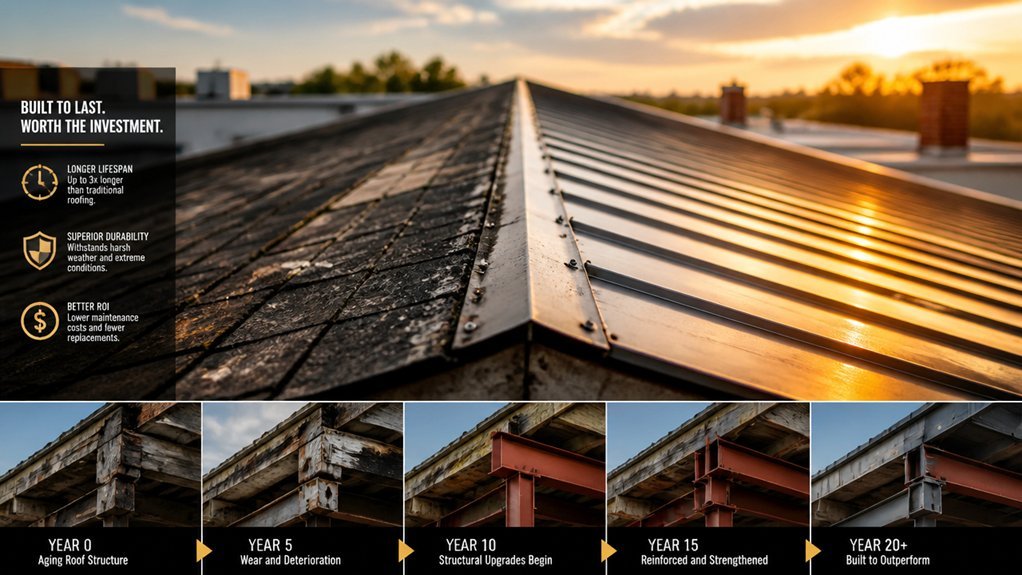
Selecting the right roofing material represents one of the most consequential decisions commercial property owners will make. The gap between metal roofing and traditional alternatives is striking: while asphalt shingles typically deliver 15 to 25 years of service, metal systems routinely span 40 to 70 years. This longevity fundamentally reshapes financial planning across decades of building ownership.
Maintenance and insurance considerations deserve equal attention. Fewer replacements mean less disruption to tenants and operations, plus reduced claims history that insurers often reward with lower premiums. Many property managers discover these secondary savings only after installation, making early education valuable.
Energy performance adds another compelling dimension. Reflective metal surfaces cut cooling loads substantially, with documented HVAC savings ranging from 10 to 25 percent annually in most climates. These operational reductions compound year after year, independent of utility rate fluctuations.
Together, these factors create a total cost picture that diverges sharply from conventional roofing economics. Savvy owners evaluate lifecycle expenses rather than installation quotes alone, recognizing that upfront investments frequently generate returns measured in decades of reduced exposure.
What Does Metal Roofing Cost Upfront?
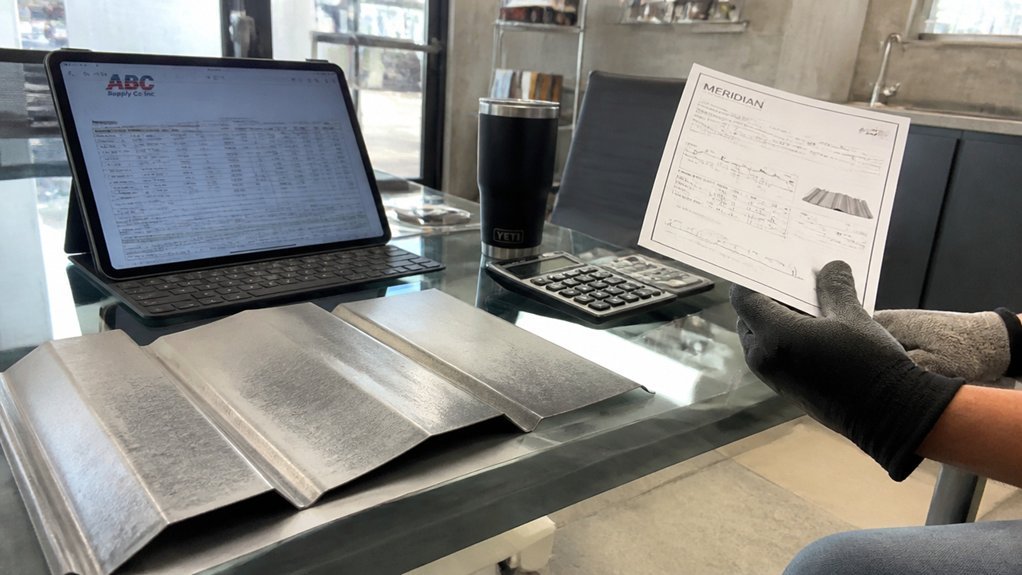
The initial expense for metal roofing varies based on material type, building size, and installation complexity. Steel panels typically cost between $7 to $12 per square foot, while aluminum ranges from $10 to $18 per square foot. A 10,000-square-foot commercial building requires approximately $70,000 to $180,000 in materials and labor.
Copper roofing commands premium pricing, reaching $15 to $25 per square foot. Installation costs depend on roof pitch, existing structure removal, and geographic location.
Regional labor rates greatly influence total project expenses. Building owners should obtain multiple estimates from contractors to compare pricing accurately before committing to metal roofing installation.
How Lifespan Differences Reduce Replacement Cycles
Metal roofing systems considerably outlast conventional roofing materials, reducing how often building owners must replace their roofs.
Standard asphalt shingles typically last 15-20 years, while metal roofs function for 40-70 years. This extended lifespan means fewer replacement cycles over a property’s lifetime.
A commercial building might require two or three asphalt replacements where one metal roof installation suffices.
Reduced replacement frequency decreases labor costs, material expenses, and operational disruptions from construction activity. Building owners experience lower cumulative expenditures across decades, making metal roofing economically advantageous despite higher initial installation costs.
Metal Roofing Energy Savings: HVAC Cost Reduction
Reflectivity of roofing materials directly affects how much heat a building absorbs, influencing cooling costs throughout warm months. Metal roofs, particularly those with light-colored coatings, reflect solar radiation rather than absorbing it. This reflective quality reduces interior temperatures, decreasing HVAC system runtime and energy consumption.
Commercial properties experience measurable savings on cooling expenses during peak seasons. Metal roofing’s thermal performance can lower annual energy costs by 10-25 percent, depending on climate and existing insulation levels.
Reduced HVAC demand extends equipment lifespan, delaying expensive replacements and maintenance repairs.
Why Metal Roofs Require Less Maintenance
Durability and resistance to common damage sources distinguish metal roofing from traditional materials, reducing ongoing maintenance demands and associated costs. Metal roofs withstand weather exposure without rotting, cracking, or deteriorating like asphalt shingles or wood. They resist rust through protective coatings and do not harbor moss, algae, or mold growth that plague other surfaces.
Metal panels require no periodic sealing, re-coating, or replacement of compromised sections. Inspections occur less frequently, typically annually rather than semi-annually.
Debris removal remains straightforward since nothing adheres to smooth metal surfaces. These characteristics substantially lower labor expenses and material replacement costs throughout a building’s operational life.
Fire Rating and Insurance Premium Reductions
Most commercial property insurers offer substantial discounts for buildings equipped with Class A fire-rated roofing materials, which metal roofing consistently achieves.
Insurance companies recognize metal’s non-combustible properties, reducing fire risk considerably. Property owners typically receive premium reductions ranging from 8 to 15 percent annually when installing qualifying metal roofs. These savings accumulate substantially over decades, offsetting initial installation expenses.
Additionally, metal roofing’s fire resistance improves overall building safety ratings, potentially lowering liability insurance costs. Insurers value the reduced claims likelihood associated with metal materials.
Building owners should contact their insurance providers to confirm specific discount eligibility, as requirements vary by location, building classification, and policy terms.
How Metal Roofing Preserves Residual Asset Value
Metal roofing maintains and enhances commercial property values through its exceptional longevity, visual appeal, and minimal maintenance requirements.
Properties equipped with metal roofs command higher resale prices, typically retaining 60-85% of installation costs at resale. The 40-70 year lifespan notably outpaces asphalt shingles, lasting 15-20 years.
Potential buyers recognize reduced future replacement expenses, resulting in increased property appraisals. Metal roofing’s durability against weather damage, rust resistance when properly coated, and architectural flexibility appeal to investors.
Commercial properties with metal roofs demonstrate lower depreciation rates compared to conventional roofing systems, preserving asset value effectively.
When Metal Roofing Pays for Itself?
While metal roofing’s value retention strengthens long-term property economics, the actual payback period depends on specific cost factors, local climate conditions, and building usage patterns.
Most commercial properties recover initial investment within fifteen to twenty years through reduced maintenance expenses, lower insurance premiums, and extended roof lifespan.
Climate plays a critical role: properties in areas experiencing frequent storms or extreme temperature swings see faster returns. A warehouse in a hail-prone region might achieve payback in twelve years, while a facility in mild climates requires longer.
Energy savings from reflective coatings accelerate recovery timelines further, making payback periods variable and property-specific.
Frequently Asked Questions
What Installation Disruptions Should Commercial Property Owners Expect During Metal Roof Installation?
Commercial property owners should anticipate temporary noise, dust generation, and restricted roof access during metal roof installation. Work typically occurs during business hours, potentially causing minor operational disruptions. Installation duration varies based on property size, generally requiring one to three weeks completion.
How Do Metal Roofs Perform in Extreme Weather Conditions Like Hail and Hurricanes?
Metal roofs demonstrate exceptional durability in extreme weather. They withstand hail impact better than traditional materials, with impact-resistant coatings providing additional protection. Hurricane-force winds are resisted through secure fastening systems, while the material’s rigidity prevents uplift damage that compromises other roofing types.
Are There Specific Building Codes or Regulations That Restrict Metal Roofing Installation?
Metal roofing installation must comply with local building codes, which vary by jurisdiction. Most regions permit metal roofs, though some historic districts restrict materials. Building officials typically require wind resistance ratings, proper fastening systems, and fire ratings per applicable standards.
Can Existing Roof Structures Support Metal Roofing’s Weight Without Reinforcement?
Most existing roof structures can support metal roofing, as it typically weighs 50-150 pounds per square foot—lighter than traditional materials. However, engineers should evaluate older buildings’ load capacity to determine if reinforcement becomes necessary before installation proceeds.
What Financing or Incentive Programs Are Available for Commercial Metal Roof Upgrades?
Commercial property owners can access tax credits, energy efficiency rebates, and manufacturer financing programs for metal roof installations. Many states offer incentives through energy agencies, while some utilities provide rebates for cool roofing technologies that reduce cooling costs.
Conclusion
Metal roofing functions like a long-term investment account, accumulating value over decades rather than depleting it. Initial costs prove substantial, yet 40-70 year lifespans, 10-25% energy savings, reduced maintenance, and lower insurance premiums combine to offset expenses greatly. Properties recover their investment within 15-20 years, then continue generating savings. Owners benefit from preserved asset value, making metal roofing a financially sound decision for commercial properties seeking durability and cost control.