
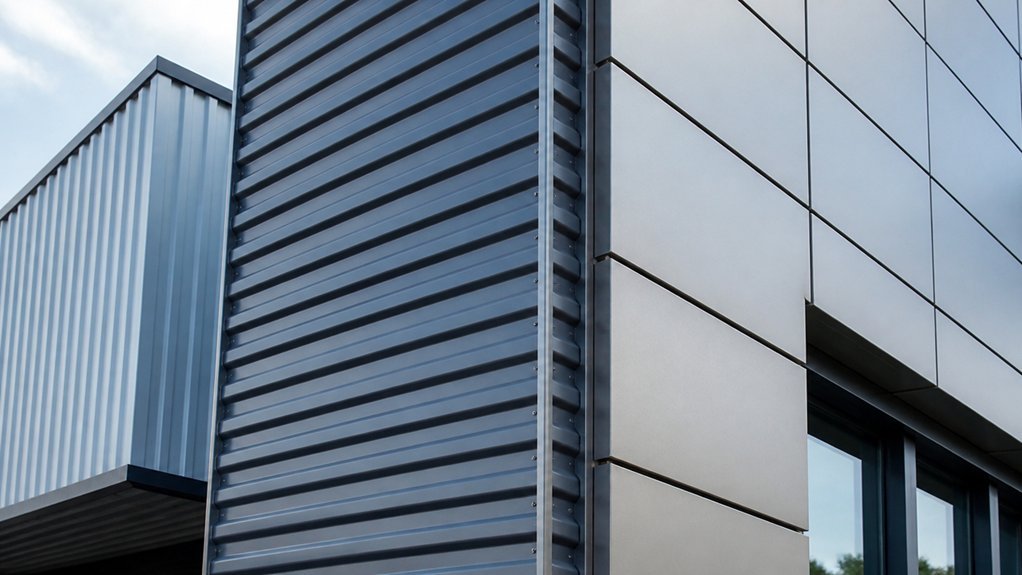
Metal siding panels represent a substantial financial commitment for commercial building owners. For a 10,000-square-foot structure, initial installation typically runs between $50,000 and $170,000. That upfront investment understandably gives many decision-makers pause.
The full financial picture shifts considerably when viewed over decades rather than months. Maintenance demands drop sharply compared to traditional materials, and energy savings commonly reach 10 to 20 percent annually. These recurring benefits gradually chip away at that intimidating starting price.
Labor efficiency also deserves attention during planning. Pre-fabricated panels install faster than many alternatives, reducing construction timelines and associated wage costs. Crews spend fewer hours on scaffolding, and weather delays become less disruptive to schedules.
Before signing contracts, owners should weigh specific cost factors against projected durability. Regional climate conditions, panel gauge, and finish quality all influence both performance and lifecycle value. The smartest investment comes from matching material specifications to actual building needs rather than defaulting to lowest bid.
Initial Costs: What You’ll Pay for Metal Panels Upfront
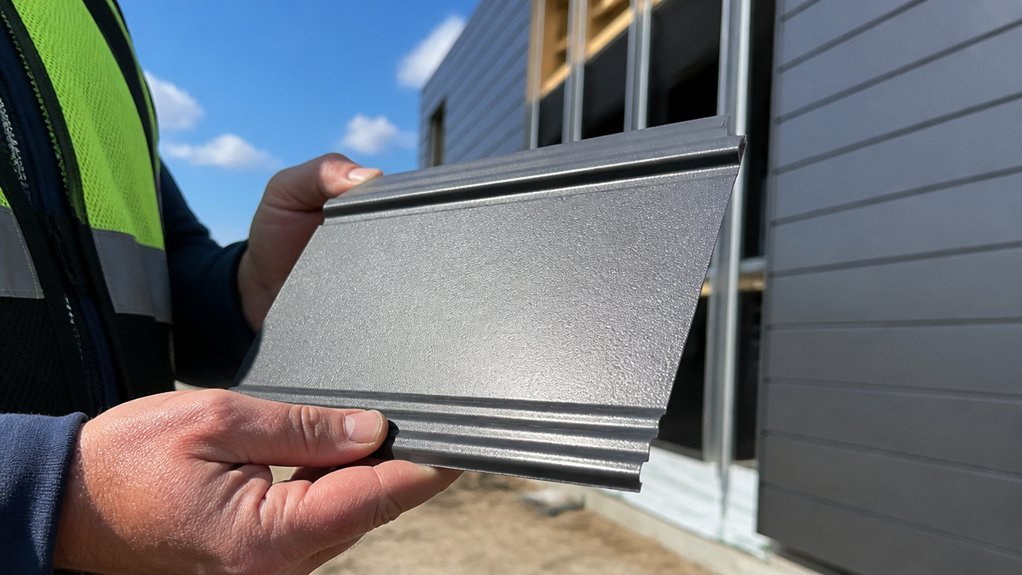
When planning a commercial building project, understanding the upfront cost of metal siding panels is essential for budgeting and decision-making. Metal panels typically range from $3 to $12 per square foot, depending on material type, thickness, and finish.
Aluminum panels cost less than steel options, while premium finishes increase expenses. Installation labor adds $2 to $5 per square foot. A 10,000-square-foot building may require $50,000 to $170,000 for materials and installation combined.
Obtaining multiple quotes from suppliers helps establish accurate project costs. Bulk purchases sometimes offer discounts, reducing overall expenses for larger commercial applications.
Maintenance Savings That Justify Higher Upfront Spending
Although metal siding panels demand higher initial investment, their long-term maintenance costs prove substantially lower than traditional materials. Metal requires minimal painting, staining, or sealing compared to wood or vinyl alternatives.
Rust-resistant coatings protect panels for 40-50 years with occasional cleaning only.
Traditional wood siding demands repainting every 5-7 years, costing thousands annually. Metal panels resist pest damage, rot, and weather degradation that plague other materials.
Insurance premiums often decrease with metal installations due to fire resistance.
Over a 50-year building lifespan, maintenance savings frequently exceed $50,000, offsetting the premium upfront cost and providing genuine financial advantage.
Energy Efficiency Gains and Annual Utility Reductions
Metal siding panels considerably reduce building energy consumption through superior thermal performance and reflective properties.
These panels reflect solar radiation away from structures, lowering cooling costs during warm months. Commercial buildings experience annual utility reductions ranging from 10 to 20 percent, depending on climate and installation quality.
Metal’s low thermal conductivity minimizes heat transfer through walls, reducing heating expenses in winter.
Buildings in Arizona and Texas report substantial savings from reflective coatings. Energy Star certified metal panels offer measurable ROI within 5 to 7 years.
Quantifiable utility bill decreases make metal siding a financially sound choice for facility managers prioritizing operational expense reduction.
Faster Installation: Labor Savings You Can Calculate
Installation speed with metal siding panels directly reduces labor costs, a measurable expense that facility managers can calculate before project approval. Metal panels install faster than traditional materials, requiring fewer fasteners and connections.
A typical commercial building might see installation time reduced by 30-40 percent compared to brick or fiber cement.
Labor costs represent a significant portion of total siding expenses. Faster installation means fewer workers needed on-site for extended periods, lowering payroll and overhead costs.
Facility managers can request installation timelines from contractors, then multiply daily labor rates by the reduced number of days to determine potential savings accurately.
Metal Panel Durability and Long-Term Lifecycle Costs
While labor savings during installation provide immediate budget relief, the true financial advantage of metal siding panels emerges over decades of building operation.
Metal panels resist rust, denting, and weather damage better than traditional materials, reducing maintenance costs considerably.
A 40-year lifespan, compared to 20 years for vinyl or wood, means fewer replacement cycles. Property owners spend less on repairs, repainting, and structural reinforcement.
Galvanized or aluminum coatings extend durability further.
Insurance premiums may decrease due to superior fire resistance and weather protection.
Calculate total cost per year across the building’s projected lifespan to understand metal siding’s genuine economic value.
Hidden Costs in Metal Panel Projects
Beyond the advertised price of metal panels themselves, numerous expenses emerge during project planning and execution.
Installation labor costs often exceed estimates when structural modifications prove necessary. Weatherproofing materials, including sealants and fasteners, require adequate budgeting. Removal of existing siding generates disposal fees.
Permits and inspections add administrative expenses. Unexpected structural damage discovered during installation, such as rotted framing or compromised sheathing, demands costly repairs. Transportation and storage fees apply to bulk orders.
HVAC system adjustments may become necessary when panels alter building envelope properties. Site preparation work, including surface cleaning and leveling, consumes time and resources.
Contractors frequently encounter these variables, requiring contingency reserves of ten to fifteen percent above initial quotes.
Metal Panels vs. Traditional Materials: The Financial Breakdown
Several factors distinguish metal panel costs from conventional siding options like vinyl, fiber cement, and wood.
Metal panels typically cost more upfront, ranging from $8 to $12 per square foot installed, while vinyl averages $4 to $8. However, metal panels require less maintenance and last 40-60 years, reducing long-term expenses.
Wood siding demands frequent repainting and repair, increasing ownership costs considerably.
Fiber cement offers mid-range pricing at $6 to $10 per square foot but needs regular maintenance.
Metal panels provide superior durability and energy efficiency, justifying higher initial investment for commercial properties expecting extended service life.
Frequently Asked Questions
Do Metal Siding Panels Require Special Fastening Systems, and What’s the Additional Cost?
Metal siding panels typically require specialized fastening systems designed for thermal expansion and contraction. These systems cost approximately 10-15% more than standard fasteners. Proper installation prevents leaks and extends panel lifespan, making the investment economically justified for commercial applications.
How Do Local Building Codes and Permits Impact Metal Panel Installation Expenses?
Local building codes and permits substantially impact metal panel installation expenses by requiring inspections, compliance documentation, and potential design modifications. Jurisdictions vary widely, necessitating permit fees and specialized installation certifications that increase overall project costs.
Can Existing Insulation Be Reused When Replacing Siding With Metal Panels?
Existing insulation can often be reused when replacing siding with metal panels, provided it remains in good condition and meets current building code requirements. Professional inspection is essential to assess moisture damage, compression, or deterioration before proceeding with installation.
What Financing Options Are Available for Commercial Metal Siding Projects?
Commercial property owners can explore several financing avenues for metal siding projects, including traditional bank loans, equipment financing, SBA loans, commercial lines of credit, and manufacturer-sponsored payment plans. Many contractors also offer in-house financing options tailored to project scope.
Are Metal Panels Recyclable, and Does That Affect Resale Property Value?
Like a second life waiting to be discovered, metal panels are highly recyclable, often containing recycled content themselves. This sustainability feature increasingly appeals to environmentally conscious buyers, potentially enhancing resale value and attracting premium investors seeking green-certified properties.
Conclusion
Metal siding panels present a compelling financial case for commercial buildings. Despite initial costs of $50,000 to $170,000 for 10,000 square feet, owners recover investments through reduced maintenance, lower energy bills of 10 to 20 percent annually, and faster installation labor savings. Long-term lifecycle costs typically favor metal panels over traditional materials, making them a practical choice for building owners prioritizing cost efficiency and durability over time.