
Metal siding panels offer property owners a compelling balance between upfront investment and decades of financial relief. While the initial installation runs higher than some alternatives, the payoff unfolds gradually through dramatically reduced maintenance demands. Unlike wood, which succumbs to rot and insects, or vinyl that warps and cracks, metal stands firm against these common threats.
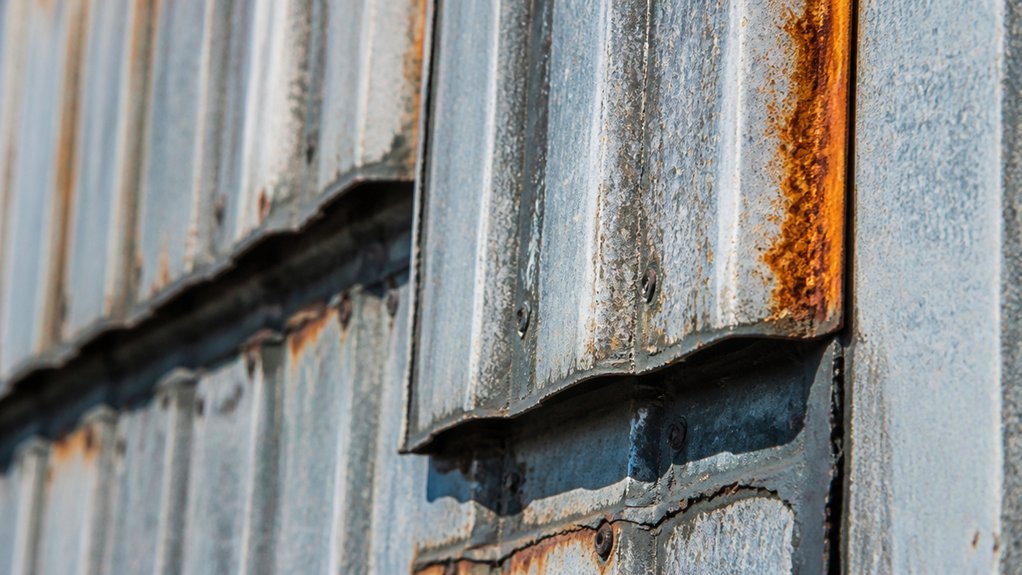
Rust resistance ranks among its standout features, especially with modern protective coatings. Annual upkeep shrinks to occasional cleaning and inspection rather than the relentless cycle of repairs, repainting, or replacement that other materials demand. Property managers consistently report fewer emergency calls and lower labor costs once metal panels are in place.
The lifespan stretches an impressive 40 to 60 years, often outlasting the ownership period itself. Energy savings add another layer of value, typically trimming utility bills by 10 to 15% through reflective properties that reduce cooling loads. These cumulative benefits transform what seems like a premium choice into a shrewd long-term calculation.
Still, projecting exact savings requires careful attention to local conditions. Coastal salt air, extreme temperature swings, and building orientation all shape the real-world performance equation. Each structure carries its own variables, making personalized assessment essential rather than relying on generic estimates.
Metal Siding Installation Costs vs. Long-Term Savings
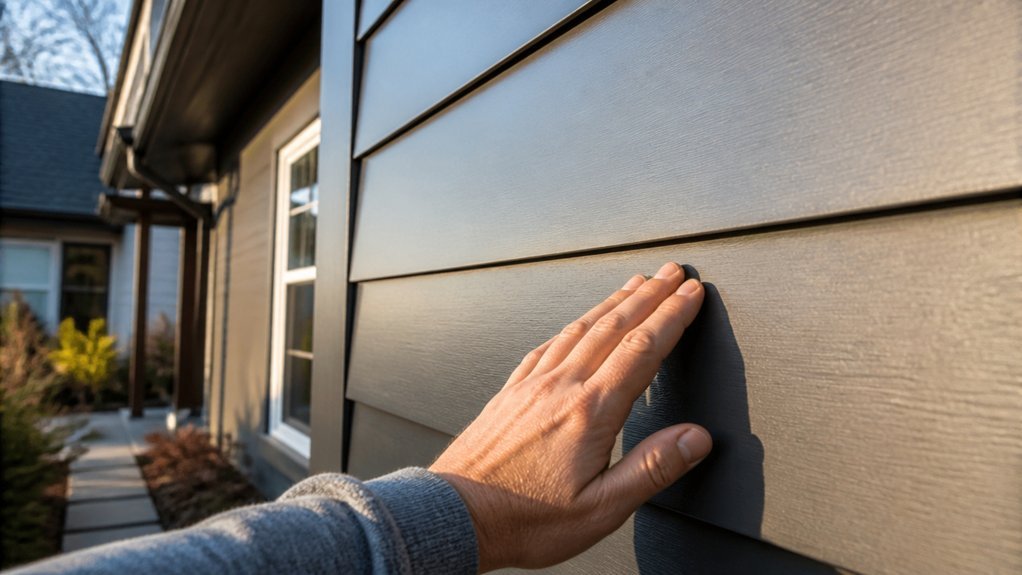
Metal siding panels require significant upfront investment, typically ranging from $15,000 to $40,000 for a standard residential home, depending on panel type, building size, and labor costs in the region.
However, long-term savings offset initial expenses through reduced maintenance requirements. Metal panels resist rust, rot, and insect damage, eliminating costly repairs common with wood or vinyl alternatives.
Energy efficiency improvements lower heating and cooling costs by approximately 10-15% annually. Durability spans 40-60 years with minimal upkeep, contrasting sharply with vinyl’s 20-30 year lifespan.
Homeowners recoup installation costs within 15-20 years through cumulative savings on repairs, replacements, and utilities.
How Metal Stays Tougher Longer Than Wood or Vinyl
Because metal panels contain no organic material, they resist the primary threats that degrade wood and vinyl siding. Wood absorbs moisture, causing rot, warping, and insect damage over time.
Vinyl becomes brittle in cold temperatures and warps under intense heat. Metal panels, typically aluminum or steel, withstand these conditions without structural compromise.
They resist rust when properly coated, endure temperature fluctuations without dimensional changes, and repel moisture penetration. Metal’s durability extends beyond thirty years with minimal maintenance, whereas wood requires regular painting and vinyl needs replacement within fifteen to twenty years.
Annual Maintenance Tasks That Prevent Costly Repairs
While metal siding’s resistance to rot and warping reduces overall maintenance demands compared to wood or vinyl, homeowners still need to perform specific tasks annually to protect their investment and avoid expensive repairs.
Inspecting fasteners for corrosion, checking seams for gaps, and cleaning debris from panels prevents water infiltration and rust development. Pressure washing removes dirt and algae buildup.
Examining flashings around windows and doors identifies potential leak sources. Repainting or resealing compromised areas extends siding lifespan.
These routine tasks, performed once yearly, cost minimal amounts but address problems before they escalate into structural damage requiring extensive, costly intervention.
Why Metal Siding Reduces Operating Expenses
Durability translates directly into lower long-term costs for property owners, since metal siding requires fewer replacements and repairs than alternative materials over a building’s lifetime. Metal panels resist weathering, rust, and pest damage effectively.
Property owners avoid frequent repainting expenses that wood siding demands every five to seven years.
Energy efficiency improvements reduce heating and cooling expenses considerably. Insurance companies often provide premium discounts for metal-sided buildings due to fire resistance and durability.
Maintenance tasks remain minimal, requiring only occasional cleaning and inspection rather than extensive repairs. These factors combine to decrease overall operating expenses substantially.
How Your Climate Affects Metal Siding Lifespan and Repair Costs
The operating cost benefits of metal siding vary greatly depending on geographic location and weather patterns.
Coastal regions experience accelerated corrosion from salt air, requiring more frequent maintenance and protective coatings. Areas with extreme temperature fluctuations cause expansion and contraction, potentially loosening fasteners and seams. Humid climates promote rust formation, particularly on uncoated panels.
Conversely, dry regions extend panel lifespan appreciably, reducing repair expenses. High-wind zones may demand reinforced installation methods and occasional damage repairs. Regions experiencing heavy snowfall require stronger structural support.
Understanding local climate conditions helps property owners accurately project maintenance budgets and select appropriate metal siding materials with suitable finishes for their specific environment.
What Costs Drop When You Switch to Metal Siding
Switching from traditional siding materials to metal panels reduces several recurring maintenance expenses.
Paint and stain costs decrease greatly, since metal siding requires minimal refinishing over decades. Repair expenses drop substantially, as metal resists rot, insect damage, and warping that plague wood siding.
Replacement frequency extends considerably, with metal lasting 40-60 years versus 20-30 years for alternatives.
Cleaning costs lower moderately, requiring only occasional pressure washing rather than intensive surface treatment.
Insurance premiums may decrease, reflecting reduced fire risk and weather damage vulnerability.
Energy bills decline when metal panels include insulation backing, improving thermal performance year-round.
See Your Actual Savings Over 20, 30, and 50 Years
Calculating the long-term financial impact of metal siding requires comparing cumulative costs across multiple decades.
Over twenty years, homeowners typically save $3,000 to $5,000 on maintenance and repairs compared to vinyl or wood alternatives. At the thirty-year mark, savings increase to $6,000 to $10,000, reflecting reduced painting, sealing, and replacement expenses.
Over fifty years, accumulated savings often exceed $15,000 to $20,000, accounting for metal siding’s superior durability and minimal upkeep requirements.
These figures vary based on climate conditions, local labor rates, and initial installation costs, making individual calculations essential for accurate financial planning.
Frequently Asked Questions
Can Metal Siding Be Recycled or Repurposed at the End of Its Lifespan?
Yes, metal siding can be recycled or repurposed at the end of its lifespan. Steel and aluminum panels are highly recyclable materials that retain significant value in scrap markets. Builders and homeowners can donate or sell used panels for reuse or processing into new metal products.
Does Metal Siding Increase Home Resale Value Compared to Traditional Siding Materials?
Like a polished gem catching light, metal siding can enhance home appeal and potentially increase resale value compared to traditional materials. Its durability, low maintenance requirements, and modern aesthetic attract buyers willing to pay premium prices for long-term performance benefits.
What Warranty Coverage Typically Comes With Metal Siding Installations?
Metal siding typically includes manufacturer warranties ranging from 20 to 40 years, covering material defects and paint finish deterioration. Installation warranties usually span 10 years. Coverage specifics vary by manufacturer and installer, so homeowners should review documentation carefully for exact terms and conditions.
How Does Metal Siding Perform in Extreme Weather Conditions Like Hail?
“An ounce of prevention is worth a pound of cure.” Metal siding demonstrates excellent hail resistance due to its durability and impact strength. Quality metal panels withstand most hailstorms without damage, though extremely severe conditions may cause denting rather than puncturing or cracking.
Are There Any Aesthetic Limitations or Design Options Available With Metal Siding?
Metal siding offers diverse aesthetic possibilities, including various colors, finishes, and textures that mimic traditional materials like wood or stone. However, some find its industrial appearance limiting compared to conventional options. Design flexibility depends on manufacturer offerings and budget constraints.
Conclusion
Metal siding panels deliver measurable long-term savings through durability, low maintenance, and energy efficiency. A 40-60 year lifespan, compared to 20-40 years for wood or vinyl, reduces replacement frequency. Annual costs drop considerably, with minimal inspections and no repainting needed. Over 50 years, property owners save tens of thousands in repairs, labor, and utility bills. Climate conditions affect performance, but metal consistently outperforms alternative materials in cost-effectiveness.